• Blog
  • March 27 2026

Why vaccinating your animals matters

Vaccination is one of the simplest and most effective ways to protect the animals we care for.

While many people are familiar with vaccinating dogs and cats, it’s just as important to vaccinate rabbits, horses and even goats and sheep too.

Vaccinations basically train an animal’s immune system to spot and fight off dangerous diseases before they take hold. This doesn’t just protect that one animal, it also helps stop infections from spreading to other animals around them.

Vaccines guard against serious and often life-threatening illnesses. Without them, animals are vulnerable to diseases that can cause severe suffering, long-term complications or even death.

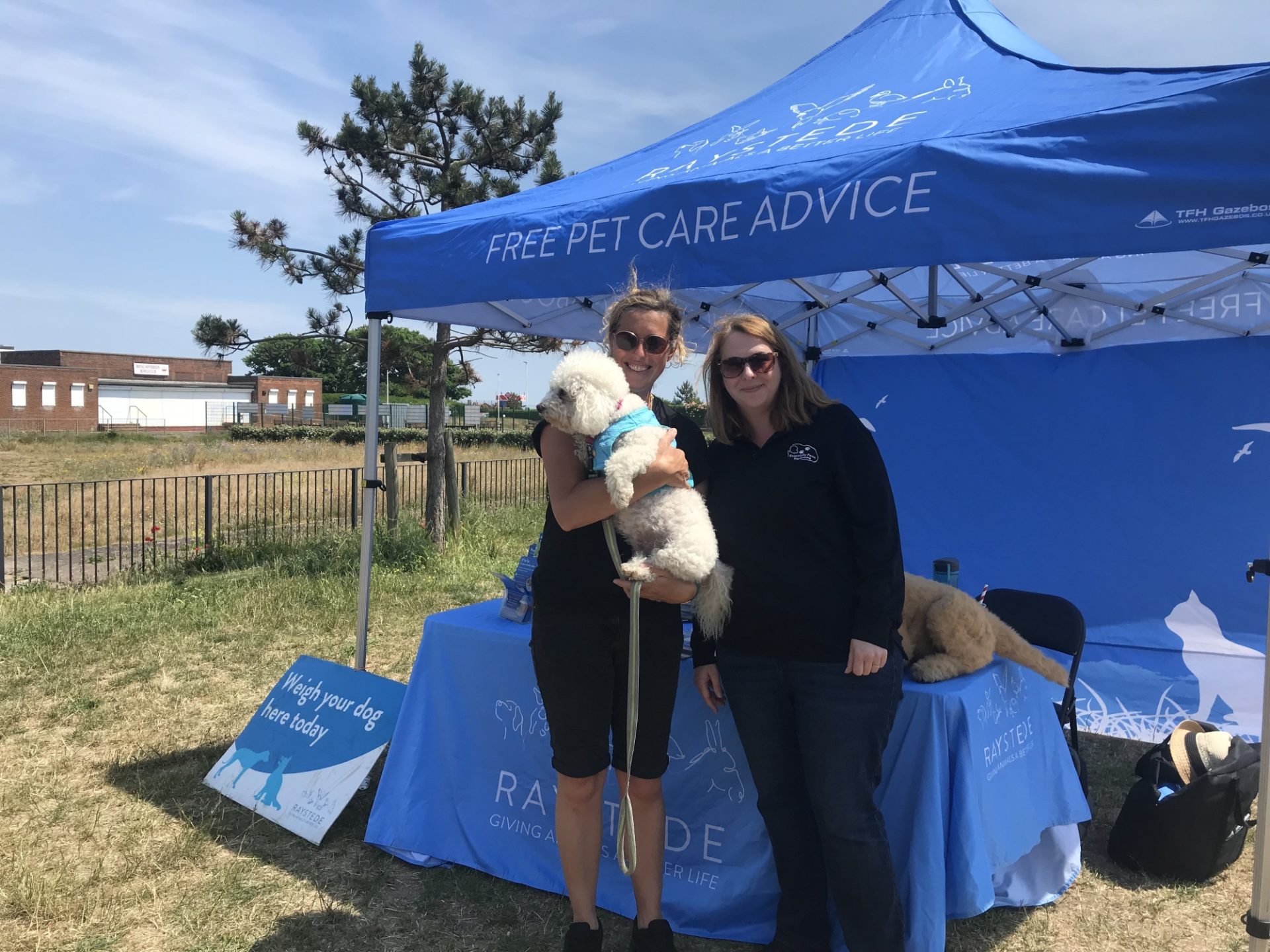
Our team are often asked about vaccinations when out and about in our local communities as part of our free pop-up pet advice events.

Here are some of our more frequently asked questions:

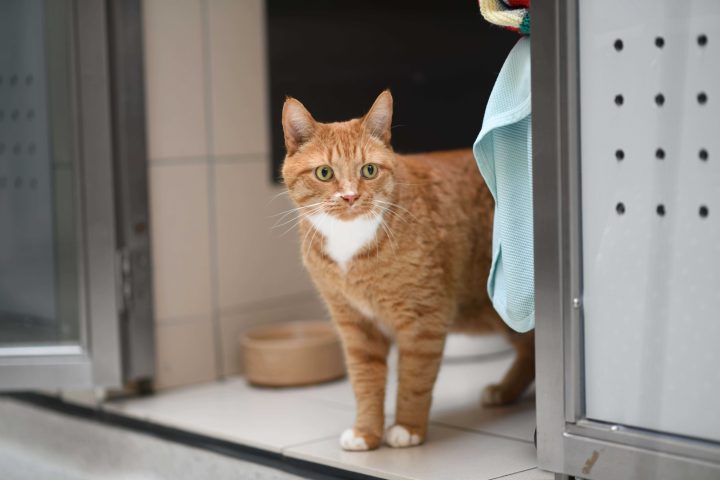
If I adopt from Raystede, is the animal vaccinated?

All Raystede dogs, cats, rabbits, horses, goats and sheep receive their vaccinations before they are adopted (first part only for dogs and cats).

We will provide you with a record of their vaccination history, including the next due date (most vaccines are annual). It is then your responsibility to get your animal vaccinated each year.
If I adopt from Raystede, is the animal vaccinated?

All Raystede dogs, cats, rabbits, horses, goats and sheep receive their vaccinations before they are adopted (first part only for dogs and cats).

We will provide you with a record of their vaccination history, including the next due date (most vaccines are annual). It is then your responsibility to get your animal vaccinated each year.

Can my dog (especially a puppy) spend time with other dogs between their first and second vaccinations?

Yes, but with caution. Puppies can start socialising after their first vaccination, and it’s important for their behavioural development. However, they should only mix with fully vaccinated, healthy dogs in low-risk environments (like your own home or puppy classes run by professionals).

Avoid high-risk areas such as parks, pavements with heavy dog traffic or places where unvaccinated dogs may have been until their vaccination course is complete. Until then, you can take your puppy to parks, cafes, etc, but make sure they stay off the ground.

My animal is older, surely they’re immune or don’t need vaccinations anymore?

Age doesn’t equal immunity. In fact, older animals can be more vulnerable because their immune system may weaken over time. Regular boosters are important to maintain protection against serious diseases.

Skipping vaccinations in older animals can leave them at risk, even if they’ve been vaccinated in the past.

My animal is older, surely they’re immune or don’t need vaccinations anymore?

Age doesn’t equal immunity. In fact, older animals can be more vulnerable because their immune system may weaken over time. Regular boosters are important to maintain protection against serious diseases.

Skipping vaccinations in older animals can leave them at risk, even if they’ve been vaccinated in the past.

Other questions you may have:

My animal doesn’t go outside - do they still need vaccinations?

Yes. Even indoor animals are at risk. Diseases can be brought into the home on shoes, clothing, other animals or even through open windows (in the case of some airborne or insect-borne illnesses). Vaccination helps provide a crucial layer of protection, regardless of how much time your animal spends outdoors.


What happens during an annual vaccination appointment?

Annual vaccinations should always be carried out by a vet, and they’re not just about the injection itself. Your animal will receive a full health check beforehand to make sure they’re fit and well and to spot any potential issues early. This is all part of the appointment, so the cost includes both the vaccination and a professional health assessment.

Do rabbits really need vaccinations if they live indoors?

Yes, they do. Rabbits are highly vulnerable to serious diseases such as myxomatosis and viral rabbit haemorrhagic diseases, which are often fatal and can be spread by insects or contaminated objects, such as your shoes or hay. This means even indoor rabbits are at risk, making annual vaccinations essential for all rabbits.

Why are vaccinations important for horses?

Vaccination is a key part of equine health care. Horses are at risk from infectious diseases, such as equine influenza that can spread quickly, especially when they travel or come into contact with other horses.

Do goats and sheep need vaccinations too?

Vaccination is important for goats and sheep, whether you have a smallholding or a larger farm. Infectious diseases, such as tetanus and pulpy kidney, can spread rapidly within a herd, leading to serious welfare issues. Routine vaccination helps protect individual animals, maintain overall herd health and prevent outbreaks.

Are vaccinations the same every year?

Not always. For example, in dogs, vaccines can vary from year to year depending on what protection is needed, so your pet will follow an ongoing vaccination schedule tailored to them. If too much time is missed between vaccinations, your pet may need to restart the course with initial doses again, something many owners aren’t aware of.

What should I do if I’m unsure about my animal’s vaccinations?

If you’re ever unsure, it’s always best to speak to your vet. They can explain your pet’s vaccination schedule, check their records and make sure they’re fully protected.

Need more information?

Ultimately, vaccination is about responsible animal care. Whether you own a single animal or manage a herd of livestock, keeping vaccinations up to date is one of the most important steps you can take to ensure long, healthy lives for your animals and peace of mind for yourself.

If you have a question that hasn’t been covered here, why not chat to one of our team at a free Pop up Pet Advice session near you. To view all dates and locations, click here.