Whether you’re a rabbit owner, thinking of adopting or simply interested in learning more about these fascinating, often misunderstood animals, you’re in the right place. Here, you’ll find trusted advice, practical tips, helpful resources, along with fascinating facts to support you in caring for rabbits.
Because rabbits are prey animals, they’re experts at hiding when something’s wrong—so even the smallest changes, like eating less or sitting differently, can be their way of telling you they’re not feeling well. A quick trip to the rabbit-savvy vet can make all the difference!
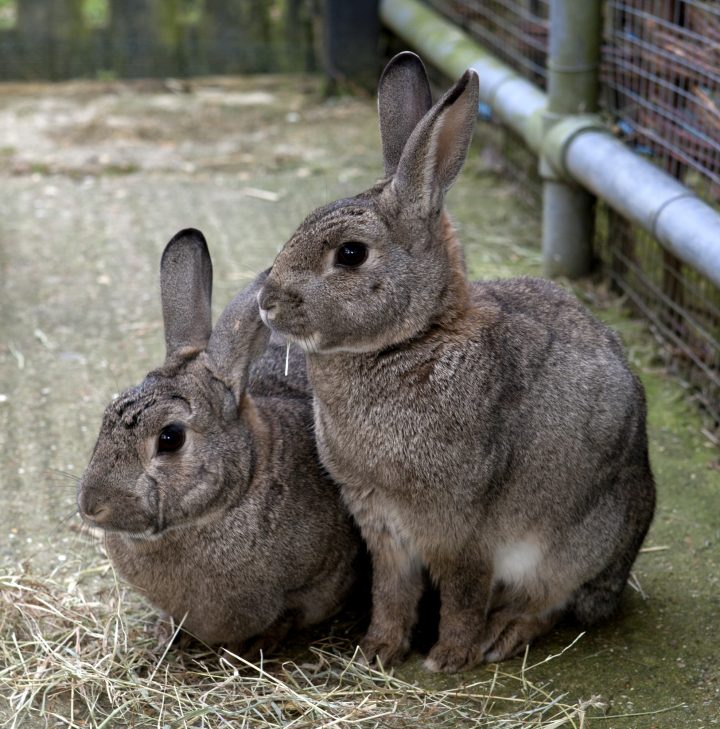
Whether you’re a rabbit owner, thinking of adopting or simply interested in learning more about these fascinating, often misunderstood animals, you’re in the right place. Here, you’ll find trusted advice, practical tips, helpful resources, along with fascinating facts to support you in caring for rabbits.
Because rabbits are prey animals, they’re experts at hiding when something’s wrong—so even the smallest changes, like eating less or sitting differently, can be their way of telling you they’re not feeling well. A quick trip to the rabbit-savvy vet can make all the difference!
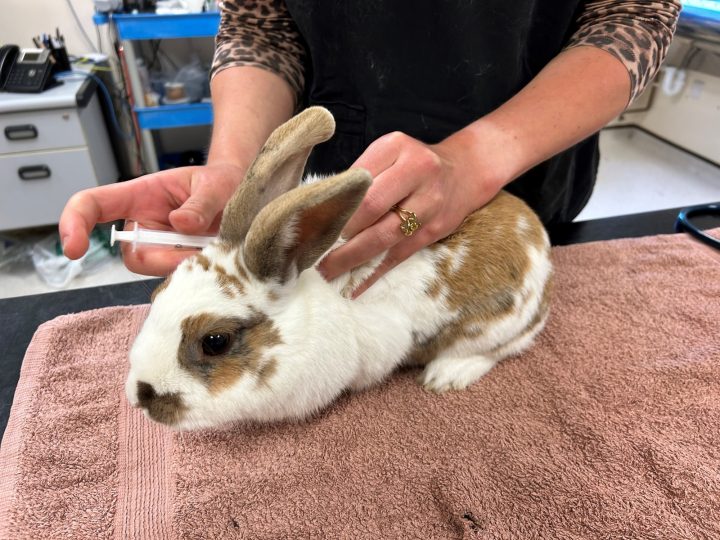
Caring for rabbits can be fun and very rewarding, but it is a big responsibility and a long-term commitment.
Rabbits need a spacious, secure environment that allows them to express natural behaviours such as running, jumping, stretching, standing upright, digging and chewing. Providing sufficient space and appropriate enrichment will help keep rabbits physically active and mentally stimulated.
Outdoor set-up
Rabbits should have constant access to a secure enclosure measuring at least 10ft x 6ft x 3ft, with a sheltered area (such as a hutch, shed or Wendy house) measuring a minimum of 6ft x 2ft x 2ft, which is permanently attached to, or within, the exercise area. The enclosure must be predator-proof, using strong welded mesh, secure bolt lock and measures to prevent predators digging in and rabbits digging out, such as mesh skirts, buried wire or paving slabs around the perimeter.
Indoor set-up
Indoor rabbits should have a minimum living space of 10ft x 6ft x 3ft, either through free-roaming access to a rabbit-proofed room or within a secure indoor pen. Wires, hazardous items and houseplants should be kept out of reach.
Outdoor set-up
Rabbits should have constant access to a secure enclosure measuring at least 10ft x 6ft x 3ft, with a sheltered area (such as a hutch, shed or Wendy house) measuring a minimum of 6ft x 2ft x 2ft, which is permanently attached to, or within, the exercise area. The enclosure must be predator-proof, using strong welded mesh, secure bolt lock and measures to prevent predators digging in and rabbits digging out, such as mesh skirts, buried wire or paving slabs around the perimeter.
Indoor set-up
Indoor rabbits should have a minimum living space of 10ft x 6ft x 3ft, either through free-roaming access to a rabbit-proofed room or within a secure indoor pen. Wires, hazardous items and houseplants should be kept out of reach.
Rabbit veterinary care can be expensive so having adequate insurance is recommended. Finding a rabbit-savvy vet may require some research. We suggest checking that your vet is experienced in treating rabbits or checking the RWAF website for recommended rabbit vets in your area: Rabbit Friendly Vet List | Rabbit Welfare Association & Fund (RWAF).
Please consider ongoing costs when adopting rabbits; a pair of rabbits can cost £11,000 over their lifetime from yearly vaccinations for myxomatosis, RVHD1 and RVHD2, other vet trips, food, hay, insurance, enclosure maintenance and holiday care.
Some rabbit breeds are more prone to certain conditions and illnesses than others. For example, lop-eared rabbits are more prone to ear infections and deafness, while short-faced (brachycephalic) rabbits can suffer from dental issues and overheating. Giant breeds can experience arthritis from a young age and dwarf breeds can experience respiratory conditions. We recommend researching your chosen breeds so that you can be prepared and spot signs of these conditions so that they can be treated early by an experienced vet.
Is your property rented? If so, we will need to see permission from your landlord that you are allowed to keep rabbits.
Check your rabbits for signs of injury or illness every day and seek veterinary advice if necessary:
Treats: If treats are given, avoid commercial treats containing seeds, nuts or honey as these are not suitable for rabbits. Look for treats with grass or hay as their main ingredient.
All rabbits need to live in pairs or groups to feel safe, calm and content. At Raystede, we offer a dedicated bonding service for people hoping to introduce a new rabbit companion into their home. Click the button below to find out how the bonding process works.
Adopting through a rehoming centre can take a little extra time and patience, but the rewards are worth it.
When Albert arrived at Raystede, he was nervous, underweight and suffering with painful patches of dry skin and sore joints.
At Raystede, we don’t just rehome animals, we rehabilitate them first, giving the best chance at a happy and healthy life. From healthcare to behavioural therapy, every step of their journey is carefully guided so they can trust again.
You can make a difference. A gift today will help make sure we can continue to care for all our animals, giving them the love and care they deserve.
Donate