At Raystede, our mission has always been clear - to rescue, rehabilitate and rehome local animals and educate people about animal welfare.
We have been doing this work for almost 75 years, and our mission has remained steadfast throughout.
Today, with a much-changed animal welfare landscape and current economic pressures, we are having to take a close, hard look at all we do and ask, ‘Could we do things better?’ We owe it those we serve.
At Raystede, our mission has always been clear - to rescue, rehabilitate and rehome local animals and educate people about animal welfare.
We have been doing this work for almost 75 years, and our mission has remained steadfast throughout.
Today, with a much-changed animal welfare landscape and current economic pressures, we are having to take a close, hard look at all we do and ask, ‘Could we do things better?’ We owe it those we serve.
You will have seen in the news that many charities, including those in the animal welfare sector, are having to reduce services or sadly even close. Like many of them, we too are facing significant financial challenges. The rising costs of food, bedding, vets and energy bills for our animals, together with minimum wage increases and additional National Insurance costs for our staff have all taken their toll. We finished the financial year 2025 – 2026 with a deficit of over £1m and were in a similar position the year before.
Despite stringent financial management, our income cannot currently keep up with rising costs, many of which are beyond our control.
The increasing pressures on the animal welfare sector, especially financial, mean we are not alone in having to adapt and change, but one thing is clear; doing nothing is not an option.
Over the past year, we have been developing a new framework fit for the future with the vision that:
This aim is supported by three pillars:
To deliver this effectively and sustainably, we are looking carefully at how we organise our services and resources.
We are not in crisis yet and have good financial reserves, but our finances are not sustainable and, without action, would limit our ability to provide high‑quality welfare outcomes in the future.
Raystede is undertaking a major internal review and redesign of the charity, which looks at:
This includes a proposed reorganisation of several internal teams. Because these proposals could have implications for people’s roles, a formal consultation with affected staff will begin at the end of April. Out of respect for our colleagues, we are unable to share further detail about these proposals until the consultation period is complete.
What we can say now is that these decisions are being approached with great care and compassion.
Our priority is the wellbeing of our animals, staff and volunteers.
As part of this wider organisational review, Raystede proposes to phase out our on-site care of aviary birds and fowl. While this relates to specific areas of the site, the underlying reasons reflect our broader strategic and welfare commitments.
Through our website and when we meet pet owners, where relevant we’ve highlighted our position, which includes maintaining that exotic birds should not be kept as pets. But when they’ve been relinquished by owners, we’ve had a responsibility to give these birds the best possible life in captivity, not least because it’s unlikely any would survive if they were released.
But it’s been extremely difficult to meet their needs, even with significant investment, and this has only been exacerbated by Avian Influenza restrictions. Five years of continuous Avian Influenza restrictions have meant birds must be confined for long periods - around 45% of each year. For the fowl in particular, this has severely limited their ability to roam, forage and express natural behaviours.
So, we believe it’s right to work on a welfare-led, ethical and planned withdrawal from these species.
Stepping away from these species would allow us to focus our expertise and resources on animals for whom we can consistently deliver excellent welfare outcomes, in line with our long-term strategy and financial responsibilities and sustainability.
We know that many supporters, Friends, Sponsors and visitors feel a deep connection to these birds. We feel that too, and we appreciate your understanding during this sensitive time.
The Aviaries and fowl areas are currently closed under the national Avian Influenza Prevention Zone. If restrictions lift, these areas will remain closed during the consultation period, out of respect for the staff whose roles may be affected.
Raystede’s 43-acre site remains open as usual, and we continue to welcome visitors who wish to support our work, enjoy our surroundings and learn more about our mission.
Raystede will begin a formal consultation with affected staff from the end of April 2026. Over the consultation period, we will carefully review all feedback and options.
Our priorities remain:
We have included an initial set of FAQs below. Please note that there are some details we cannot confirm until the consultation has concluded.
You are very welcome to contact us with questions - you can do this via the email address feedback@raystede.org.
Please understand that there are limits to what we can discuss while the staff consultation is active. We will continue to share updates whenever we are able to do so.
Thank you for your continued kindness, compassion and support. Your belief in our work has sustained us for nearly 75 years and will enable us to safeguard the future of Raystede and ensure we are here for the animals and people who need us — now and for many years to come.
Raystede is undertaking a major internal review and redesign to ensure we can adapt to the changes in our sector and the wider community and continue to deliver high animal welfare standards and outcomes long into the future.
We are currently running a deficit budget – in the financial year 2025 – 2026, it was a £1m loss. This is not sustainable, and next year will be the same, so we must take responsible steps to ensure Raystede is fit for the future. To deliver this effectively, we need a structure and financial model that can support our work for the long term.
Our organisational review to ensure Raystede is fit for the future indicates that a limited number of roles could be affected. Raystede will begin a formal consultation with impacted staff from the end of April 2026, ensuring potentially affected staff are treated fairly and respectfully. We hope that you will appreciate that out of respect for colleagues and in accordance with employment law, we cannot share details about staffing proposals until the consultation process has ended.
Raystede is proposing to step away from on-site care for some species, aviary birds and fowl. This will happen over a transitionary period to allow for the relocation and rehoming of animals, with all such decisions being welfare-led. The rationale is based on:
This is a strategic and sustainability decision, not a reflection on the dedication of skill of our teams.
First and foremost, this process is guided by welfare considerations. But like many animal welfare charities, such as the RSPCA, Dogs Trust, SSPCA, etc, we are facing significant financial challenges largely beyond our control. Over the past two years we’ve spent more than £1m each year above the income we’ve generated. So, if we are to be here to care for animals in the long-term, we need to focus on the best way to use our resources to achieve that. These are not easy choices, but they are necessary ones.
We will rehome and rehouse all the birds in our care. We will prioritise rehoming or relocation to organisations or environments that can meet high standards of care.
To do this properly takes time - and we’ve no wish to rush it, so a period of up to nine months has been suggested to find the right new homes for our birds. But it could take longer - the priority is finding the best possible outcome for the birds.
We will rehome or relocate all the birds. We have had some very positive initial conversations with other avian organisations and charities and will seek to work in partnership with them and others to find the best homes for the birds.
We are including this question only because we have been asked. No, we are not going to put any birds to sleep as part of this process. The plan is to rehome and rehouse all the birds after assessing their health and welfare.
Avian Influenza housing restrictions have significantly impacted the welfare of all our birds, particularly for fowl, who have been confined for nearly half the year, every year for the last five years. While not the sole reason, these restrictions have highlighted the ongoing welfare limitations of the current model.
This is to be explored.
No. The remainder of our 43-acre site remains open and operating as usual. We very much welcome adopters, fosterers, supporters and visitors to see our work in action and support our mission.
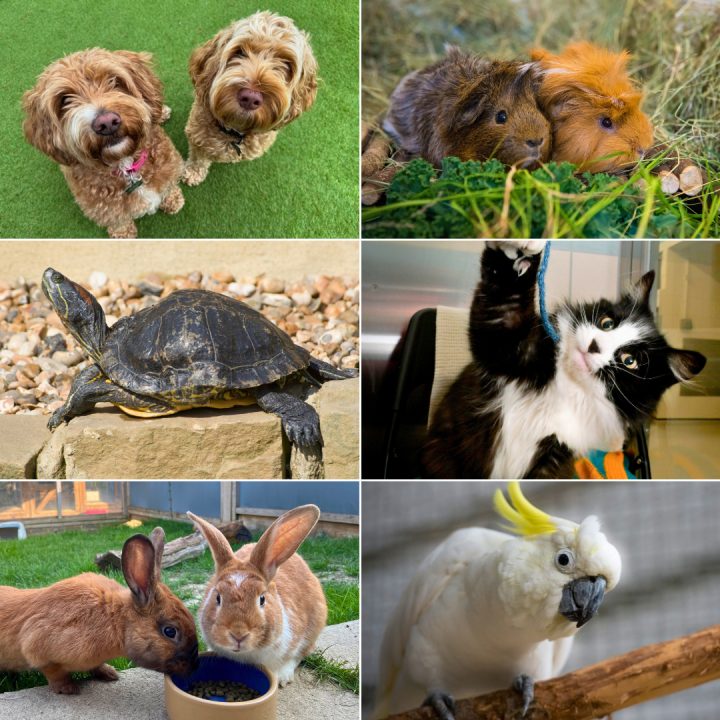
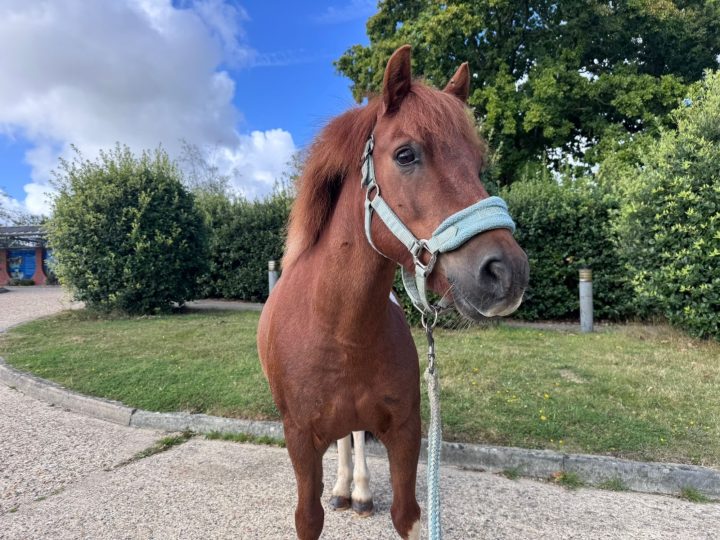
We will still be caring for all the other species at Raystede - dogs, cats, rabbits, small animals, horses, ponies, donkeys, goats, sheep, tortoises and terrapins - so need to focus our resources on these.
No. These areas are currently closed due to the national Avian Influenza Prevention Zone. Even if restrictions lift, they will remain closed during the consultation period out of respect for staff who may be affected.
The rest of our 43-acre site remains open as usual.
We understand how much these areas, and the birds themselves, mean to many of our supporters. We will keep Sponsors updated sensitively and transparently, and we will honour our responsibilities to them.
You are very welcome to contact us with questions - you can do this via the email address feedback@raystede.org. Please understand that there are limits to what we can discuss while the staff consultation is active. We will continue to share updates whenever we are able to do so.
Your kindness, understanding and support mean the world to us. You can help by:
Your support helps protect Raystede’s future so we can continue to give animals in Sussex a good life and support people to do that for many years to come. Thank you from all of us at Raystede.